Skip to content
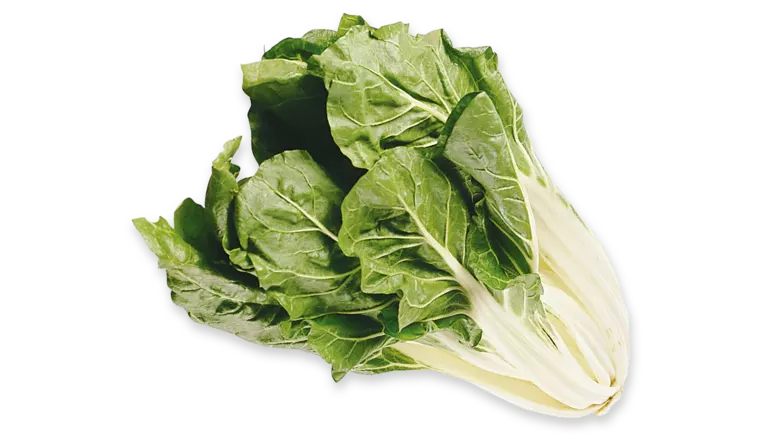
Silverbeet / Bladbete

Silverbeet

The nutritional powerhouse hiding in plain sight

Silverbeet (Beta vulgaris var. cicla) is one of the most nutrient-dense leafy greens you can grow. Easy to cultivate, beautiful in the garden, and endlessly versatile in the kitchen.

Did you know?

  • A 100g serving of silverbeet provides over 1000% of the EU reference value (NRV) for Vitamin K.
  • It thrives in both spring and autumn and tolerates light frost.
  • The colourful stems of Rainbow Chard are edible and mildly sweet.
  • Ancient Romans prized it as a medicinal plant for headaches and fevers.
  • It is botanically the same species as beetroot and sugar beet.

Right now in the silverbeet year

Late spring

May

Growing

What to do

  • Direct sow
  • Transplant
  • Maintain

Once the soil holds above 8 °C, sow directly outdoors or plant out hardened seedlings. Space 30 cm between plants and 40 cm between rows. Water well after transplanting, and use fleece if late frosts still threaten.

Tip

Mature silverbeet handles light frost, but freshly transplanted seedlings rarely survive it. Wait for a safe forecast or use fleece.

See the whole year →

The Family

Silverbeet isn't alone.

It shares its species with beetroot, sugar beet, and fodder beet. Same plant, bred for different parts.

  • Silverbeet
  • Beetroot
  • Sugar beet
  • Fodder beet
See the family →

Nutrition

Packed with Vitamins K, A, and C. Discover exactly what you get per 100g.

Explore nutrition →

Varieties

From Ruby Chard to Rainbow Chard, five varieties worth knowing.

See varieties →

Growing

Step-by-step guide to planting, watering, and harvesting your own silverbeet.

Start growing →

Recipes

Eight simple recipes to make the most of your harvest, from frittata to dal.

Cook something →

Storage

Seven ways to keep silverbeet usable from August through April: fridge, freezer, ferment, dry, pickle.

Preserve the harvest →

Comparison

How does silverbeet stack up against spinach, kale, and beet greens? Honest answers.

See the comparison →

Three things you might not know

Three glimpses of a vegetable that's been on Roman dinner tables, in Charlemagne's gardens, and in your kitchen garden.

Heritage variety

The 'Fordhook Giant' you can still buy today was first sold in 1924.

W. Atlee Burpee & Co. introduced the cultivar from their experimental farm in Pennsylvania over a century ago. It is one of the longest-lived vegetable varieties in continuous commercial cultivation, still chosen by gardeners who want a dependable, productive, full-flavoured chard.

300 BCE

Aristotle's colleague Theophrastus described chard around 300 BCE.

His Historia Plantarum is the oldest surviving systematic botany text in the Western tradition, and chard appears in it as an already-domesticated kitchen staple, not an exotic novelty. By Theophrastus' time the plant had been on the table for at least a thousand years.

Myth

Rainbow chard is genetically modified.

It is not. The market-standard 'Bright Lights' mix was selected by New Zealand amateur breeder John Eaton from heritage parent plants he found in a home garden in 1977, then refined by Johnny's Selected Seeds and released in 1998, where it won an All-America Selections award. No transgenic chard exists commercially. The colours are old.

Test your knowledge

How well do you know silverbeet?

7 questions covering nutrition, varieties, and growing. Can you get a perfect score?

Take the Quiz →

A celebration of Beta vulgaris var. cicla

Bladbete: informational website